The world's birds are facing an unprecedented crisis. Over the last four decades, half of the global songbird population has vanished, a stark warning echoing through our forests, fields, and urban skies. It's a sobering reality, but one that exploring movies featuring birds helps us confront and understand. Conservation & Environmental Bird Films aren't just entertainment; they're powerful calls to action, translating complex ecological challenges into compelling narratives that inspire, educate, and ignite a passion for protecting our feathered friends.
These cinematic journeys offer a unique vantage point into the intricate lives of birds, from their incredible migrations to their daily struggles for survival. They make the invisible visible, connecting us emotionally to species we might never encounter in the wild, and compelling us to look closer at the world right outside our window.
At a Glance: Key Takeaways from Conservation & Environmental Bird Films
- Urgent Warnings: Films like "The Messenger" highlight the alarming decline of bird populations, attributing it to human-induced threats.
- Epic Journeys & Intimate Lives: Documentaries showcase the breathtaking migrations and unique behaviors of species like penguins, flamingos, and raptors.
- Human Connection: Many films explore the profound bond between humans and birds, from dedicated birders to those working to rehabilitate injured wildlife.
- Accessible Education: Animated features and family-friendly films provide an engaging entry point for younger audiences into environmental awareness.
- Call to Action: These films often serve as catalysts, prompting viewers to consider their own impact and engage in conservation efforts.
- Technological Marvels: Modern filmmaking techniques offer unparalleled views, from slow-motion flight to CGI depicting environmental threats.
The Silent Alarm: Understanding the Crisis Through the Lens
When Canadian filmmaker Su Rynard, along with producers Dianne Woods and Joanne Jackson (SongBirdSOS Productions, formed 2011), set out to create "The Messenger," they weren't just making a film; they were amplifying an urgent alarm. Inspired by her childhood connection to birds and Bridget Stutchbury’s seminal 2009 book Silence of the Songbirds, Rynard's documentary vividly illustrates that half of the world's songbirds have disappeared in just 40 years. This isn't just a number; it's a profound ecological collapse with ripple effects across entire ecosystems.
"The Messenger" makes this abstract crisis deeply personal. The film employs exclusive footage shot across three continents, combining high-tech cinematography with mesmerizing slow-motion flight sequences captured in the University of Western Ontario’s flight tunnel. Perhaps most striking are the CGI scenes that dramatically show the disorienting, fatal effect of city lights and glass on migrating passerines—a visual gut punch that reveals the invisible dangers birds face daily. It's no wonder the film has garnered critical acclaim, screening at 11 major festivals, winning top honors at Canada’s Hot Docs forum, and securing the Best Conservation Program prize at the Jackson Hole Wildlife Film Festival.
The film underscores that the threats are varied and interconnected: habitat loss, pesticide use, climate change, and crucially, human infrastructure. The very lights that illuminate our cities and the glass that forms our skyscrapers become deadly traps for billions of birds each year. Understanding these challenges posed by light pollution is critical to developing effective mitigation strategies.
Beyond the Dire Warnings: Films That Celebrate and Educate
While the environmental alarm bells are crucial, Conservation & Environmental Bird Films aren't solely about doom and gloom. They also celebrate the sheer wonder of avian life, offering glimpses into incredible behaviors, complex social structures, and the profound beauty of our natural world. From epic migrations to intimate family dramas, these films bridge the gap between human experience and the lives of birds, making conservation feel tangible and vital.
Documentaries That Dig Deep: Exploring Avian Worlds
The documentary format shines when it comes to showcasing the majesty and vulnerability of birds. These films immerse us in their habitats, often with years of dedicated filming, providing an unparalleled educational experience.
- Epic Journeys and Survival Sagas:
- "Winged Migration" (2003): This French masterpiece, filmed over four years on seven continents, redefines how we see bird migration. The filmmakers raised birds from chicks, imprinting them on the crew and training them to fly alongside small airplanes, offering unprecedented close-up views of their arduous journeys. The result is an 89-minute feature compiled from 590 miles of film, a testament to the dedication required to capture such beauty. It's a breathtaking, immersive experience that highlights the incredible endurance of birds on their challenging migration routes.
- "March of the Penguins": A poignant narrative detailing the lives of Emperor Penguins in Antarctica, this film chronicles their annual struggle to survive and reproduce. It's a testament to resilience, highlighting the extreme conditions these birds endure to bring new life into the world, a story that resonates deeply with audiences worldwide.
- "The Crimson Wing: Mystery of the Flamingos": Produced by Disneynature, this film turns its lens on the dramatic lives of flamingos, focusing on their unique breeding rituals and the struggles faced by their young. It's a visually stunning exploration of a lesser-known avian world, emphasizing the fragility of these specialized ecosystems.
- Intimate Portraits and Human Bonds:
- "The Wild Parrots of Telegraph Hill": This charming film chronicles an unemployed musician's unique relationship with a flock of wild parrots—Cherry-headed Conjures and Blue-crowned Conjures—in San Francisco. It's a heartwarming story about connection, community, and the surprising presence of wild nature in urban environments.
- "The Eagle Huntress": Set in the stunning landscapes of Mongolia, this documentary follows Aisholpan, a 13-year-old girl who defies centuries of tradition to become the first female eagle hunter, competing in the Golden Eagle Festival and hunting foxes with her magnificent Golden Eagle. It's a powerful story of empowerment, cultural heritage, and the profound bond between humans and birds of prey.
- "Birders: The Central Park Effect": This film shifts focus from the birds themselves to the people who observe them. It explores the captivating appeal of birding, showcasing how Central Park, an urban oasis in the heart of New York City, becomes a migration superhighway and a source of deep connection for dedicated birdwatchers. The film beautifully illustrates how birdwatching fosters a unique appreciation for the natural world.
- Comprehensive Explorations:
- "The Life of Birds" (David Attenborough): No discussion of bird documentaries is complete without mentioning Sir David Attenborough. This 10-part series, made over three years in 42 countries, is a monumental work, exploring bird evolution, habits, and ecological roles across nearly nine hours of unparalleled content. It's a masterclass in natural history filmmaking, offering both scientific insight and breathtaking visuals.
- "Nature" (PBS Series): A cornerstone of quality wildlife documentaries since 1982, PBS's "Nature" consistently produces engaging and informative programs, many of which focus on birds. Airing Wednesdays in the US, it's a reliable source for well-researched and beautifully shot avian stories, often delving into specific species or regional conservation challenges.
Feature Films & Animated Stories: Engaging All Ages
While documentaries directly tackle conservation, fictional and animated films play a crucial role in fostering empathy and interest, especially among younger audiences. They often weave environmental themes into captivating narratives, making complex ideas accessible and inspiring curiosity.
- Inspirational Adventures with Birds:
- "Fly Away Home": This heartwarming story depicts a young girl and her father training an orphaned flock of Canada Geese to migrate south by following an ultralight airplane. It's a beautiful portrayal of human-animal bonding, perseverance, and the challenges of animal migration.
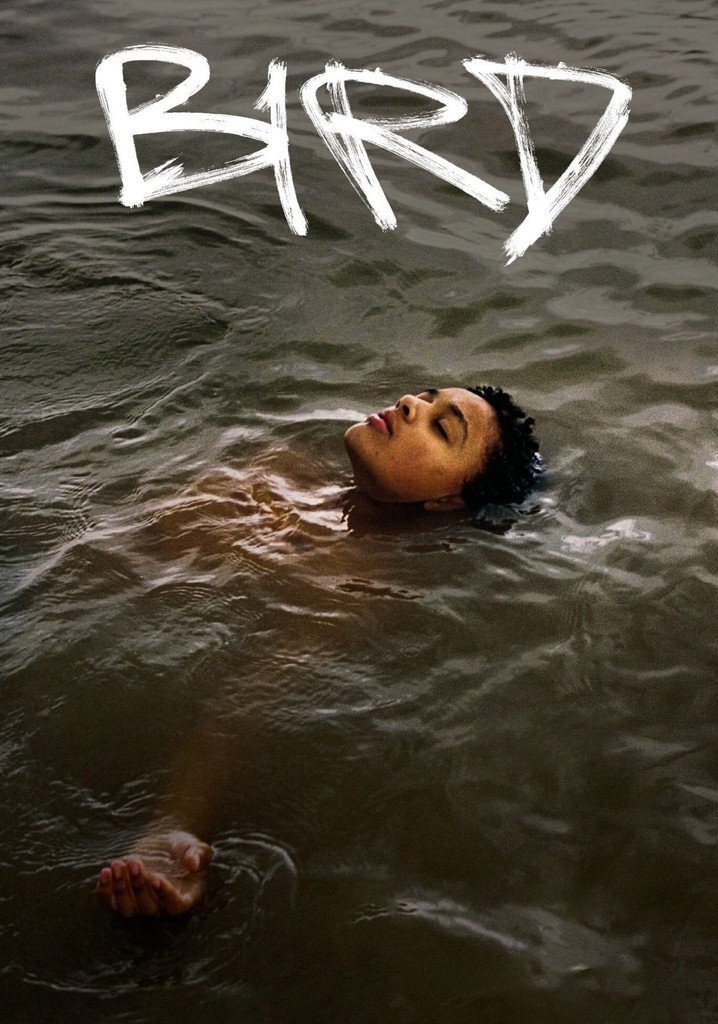
- An independent film about teenage boys searching for the elusive Labrador Duck highlights the mystery and allure of extinct species, subtly encouraging thought about the fragility of life.
- Birding as a Window to Conservation:
- "The Big Year": Starring Jack Black, Steve Martin, and Owen Wilson, this comedic film centers on three avid birders competing in an annual North American challenge to see the most different bird species in a single calendar year. While a comedy, it offers a fascinating glimpse into the world of competitive birding, showcasing the dedication, passion, and sometimes obsession, that bird enthusiasts bring to their pursuit. It subtly underscores the incredible biodiversity found across the continent.
- Kids' Gateway to Conservation:
- "Rio" (2011) and "Rio 2" (2014): These animated films follow Blu, a domesticated Spix’s macaw who cannot fly, on adventures in Brazil. The core theme of "Rio" revolves around Blu being the last male of his species, emphasizing the urgency of protecting endangered animals and their habitats. These animated environmental films offer vibrant visuals and engaging characters to introduce children to concepts of biodiversity and conservation.
- "Happy Feet" (2006): Featuring dancing penguins and Robin Williams voicing a singing Adelie Penguin, this film, while whimsical, carries an underlying message about climate change and its impact on the Antarctic ecosystem and its inhabitants, particularly through the scarcity of food.
- "Legend of the Guardians: The Owls of Ga'Hoole": This animated film, darker in tone, focuses on a society of owls. While primarily an adventure story, it provides a fascinating, if fantastical, look into the lives, social structures, and struggles of owls, potentially sparking interest in these nocturnal predators.
Choosing Your Conservation Watchlist: What to Look For
With so many incredible Conservation & Environmental Bird Films available, how do you pick the right one for your mood, or for a specific learning goal?
- Identify Your Interest: Are you keen on grand migration stories, intimate portraits of specific species, or the human connection to birds? This will help narrow down your choices.
- Consider the Message: Some films are direct calls to action ("The Messenger"), while others inspire through beauty and wonder ("Winged Migration"). Both approaches are valuable.
- Audience Appropriateness: For families, animated films like "Rio" or even "Fly Away Home" can be excellent starting points. More intense documentaries might be better for older children and adults.
- Production Quality: While not the only factor, high-quality cinematography and storytelling often make for a more engaging and impactful experience. Films like "The Life of Birds" and "Winged Migration" are renowned for their visual excellence.
- Seek Out the "Why": Look for films that don't just show you birds but explain why their populations are thriving or struggling, and what the underlying ecological principles are. This context empowers deeper understanding.
From Screen to Sanctuary: Turning Inspiration into Action
Watching a powerful Conservation & Environmental Bird Film is just the first step. The true impact lies in how that inspiration translates into tangible action. These films are designed not just to entertain or inform, but to move you.
- Support Local Conservation: Many local and national organizations are working tirelessly to protect bird habitats, conduct research, and rescue injured birds. Consider volunteering your time, making a donation, or simply learning about their efforts. Your local Audubon Society chapter or nature center is a great place to start.
- Make Your Home Bird-Friendly:
- Reduce Window Collisions: Apply decals or bird-friendly screens to your windows, especially during migration season.
- Go Pesticide-Free: Avoid chemical pesticides and herbicides in your yard, which can harm birds directly or indirectly by reducing their insect food sources.
- Plant Native Species: Create a bird-friendly habitat by planting native trees, shrubs, and flowers that provide food and shelter.
- Keep Cats Indoors: Domestic cats are a significant threat to bird populations.
- Reduce Light Pollution: If you can, turn off unnecessary outdoor lights at night, especially during peak migration periods. Advocate for bird-friendly lighting in your community.
- Advocate and Educate: Share what you've learned from these films with friends and family. Support policies that protect public lands, reduce climate change, and promote sustainable practices. Write to your representatives about issues important to bird conservation.
- Citizen Science: Participate in citizen science projects like the Great Backyard Bird Count or eBird. Your observations contribute valuable data to scientists tracking bird populations and movements.
Conservation & Environmental Bird Films remind us that we are inextricably linked to the natural world. They reveal the fragility of ecosystems, the immense beauty that stands to be lost, and the incredible resilience of life. By engaging with these stories, you not only gain a deeper understanding of our planet's most eloquent communicators but also become a part of their ongoing story, transforming passive viewing into active stewardship.